

- Rank within Google's Map Pack
LOCAL SEO SERVICES THAT GET YOU FOUND ONLINE


DIREWOLF SEO
Partner with the best Local SEO Agency in London, UK
Are You a UK Business Looking for More Local Customers?
If you’re a UK business trying to grow locally, you can have the best product in town, the most loyal customers, the cleanest branding, but if people can’t find you on Google, you’re invisible.
And that’s exactly what’s happening to thousands of businesses across the UK.
They rely on word-of-mouth, or old-fashioned directories, while their competitors are taking all the online visibility and all the customers right from under them.
In 2025, visibility is credibility. And local SEO is how you earn both.
Local SEO is the highest-value channel for local services in the UK
Numbers matter, and they clearly demonstrate why local SEO is important. For local searches:
- The Maps/Local Pack captures the majority of mobile “near me” clicks.
- 70%+ of consumers who search “near me” visit or call within 24 hours.
- Localised organic traffic converts significantly better than generic discovery traffic, because the user intent is immediate.
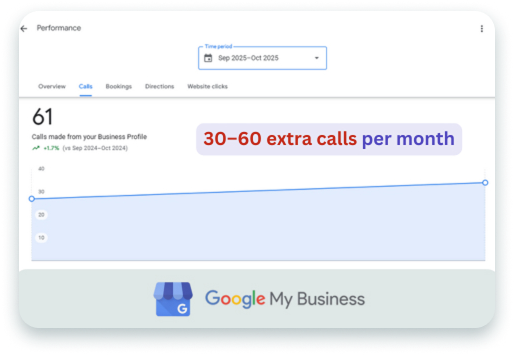
- A borough dentist ranks in the 3-pack for “private dentist Kingston” → 30–60 extra calls/month; 20–30% convert to new patients. That’s £Xk/month revenue depending on case value.
- A local conveyancing firm ranking in the local pack for “conveyancing solicitor Croydon” regularly wins instructions within 48 hours of contact.
The ROI logic: paid ads cost per lead goes up year-on-year; local SEO provides sustained, compounding lead flow at a lower CPA over time.
CHALLENGES LOCAL BUSINESSES FACE
1. Personal perception
Local SEO is often underestimated, especially by small and mid-sized UK businesses. We’ve heard it all:
“We already get referrals.”
“We’re not tech-savvy.”
“We tried SEO once and it didn’t work.”
And that hesitation is understandable. Because a lot of SEO agencies have failed to deliver.


2. Google being “out of control”
We know the local SEO landscape in the UK better than anyone, because we’ve lived it. We’ve seen businesses go from top of the map pack to nowhere in the top 15 overnight.
This is what’s really happening behind the scenes:
- Algorithm updates: One core update can wipe out years of progress if your SEO isn’t stable.
- Fake or inactive competitors: Many outdated listings stay high simply because Google “trusts” them.
- Lack of reviews: Local businesses underestimate the ranking power of reputation.
- Low site authority: You might have great content, but if your site isn’t ranking on Google, it will negatively impact your GMB profile’s rankings in the Map Pack as well.
And yet, the biggest problem of all? Businesses waiting too long to take SEO seriously, until their competitors already own the top results.
3. Local SEO Agencies who simply fail to deliver
We’ve seen small firms waste thousands on agencies that “optimise” but never strategise.
At Direwolf SEO, we look at the bigger picture. We’re a results-driven SEO agency in London that takes small to mid-sized businesses and turns them into local market leaders. All that with guarantees that make the risk ours, not yours.

WE TAKE THE “RISK” OUT OF SEO
YOU’RE BACKED UP BY TWO GUARANTEES
YOU’RE BACKED UP BY TWO GUARANTEES
(No SEO agency in the UK guarantees anything)

We’ll rank your GMB profile on Google’s Map Pack within 90 days. If we don’t get you there, we’ll keep working at no cost until we do.
You’ll start seeing your GMB profile move up on Google's Map Pack within the first 30 days. If your rankings don’t move up in 30 days, we’ll refund you in full.

WHAT IS LOCAL SEO (REALLY)?
Local SEO (or local search SEO) is the process of optimising your Google My Business (GMB) profile, now known as “Google Business Profile (GBP),” to make Google see your business as the most relevant, reliable, and trusted choice nearby.
When that happens, you appear in the TOP 3 results on the Google Map Pack, and your potential customers get to see you there. That’s what we mean by having an online presence in your geographic area.
At Direwolf SEO, we have experimented with countless local SEO strategies over the years and pinpointed what it takes for a good local SEO service to become a transformational one. And we bring exactly that to the table.
DIREWOLF SEO
Is Local SEO right for your business?
If you’re offering services nationwide, local SEO may not be for you. Local SEO is mostly for service-based businesses who operate from a single location or multiple locations within a specific geographic area. Businesses that fall under this umbrella include (but are not limited to):
Professional Services
Home & Trade Services
Beauty & Lifestyle
Food & Hospitality

Automotive & Transport

Education & Health
Your Business Belongs in the Google 3-Pack
If your customers search for your service followed by a location (for example, “family lawyer in London” or “emergency plumber near me”), then Local SEO isn’t just right for your business, it’s essential.
Ranking on the Google 3-pack means more calls, more bookings, and more customers who already trust you before they even click.
But here’s what’s different now: Google’s local search results have become hyper-personalised. That means Google is favouring proximity, trust signals, and relevance, exactly the areas where small local businesses can compete and win.
If you’re a business in Croydon, Camden, or Canary Wharf, or any other area in the UK, local SEO is the most impactful and high-converting way to reach people right around you who are ready to buy.

How Local SEO Helps You Grow
More visibility
Your business appears every time someone nearby searches for your services.
Reputation trust
More reviews, higher ratings, and brand authority build confidence instantly.
Predictable ROI
Local SEO compounds. Every improvement today keeps paying off tomorrow.
Lead quality
You attract qualified leads. People who are actively looking, not just browsing.
Most clients who work with us see 3–5X increases in inbound leads within months. All from local visibility that keeps growing.
What local SEO success looks like (KPIs you should demand)
Primary KPIs
- Local Pack impressions & rankings for targeted keywords (by postcode / town).
- Calls made from the GMB profile (tracked via your GMB’s dashboard).
- Map pack website click-throughs and direction requests.
- Form completions and phone conversions attributed to organic/local.
- Review volume & average rating (tracked weekly/monthly).
Secondary KPIs
- Local backlink acquisition (number + quality).
- Citation accuracy score (percentage of correct NAP across top directories).
- Page load times & Core Web Vitals for the homepage.
- Branded vs non-branded organic traffic split (should shift toward non-branded growth).
Target example: Get into Google 3-Pack for primary service + location keywords within 90 days.
How Long Does Local SEO Take in the UK?
Local SEO isn’t instant, but it doesn’t have to take forever either.
With traditional SEO, it could take 6–12 months to see meaningful results. With our next-gen SEO strategy, most Direwolf clients start seeing noticeable ranking movement in 30 days, and TOP 3 positions within 90 days, backed by our guarantees.
We simply work our strategy built on evidence, that we have tested in real markets and refined until it wins.
We build campaigns that are agile enough to adapt and stable enough to scale. So even as algorithms evolve, your visibility stays secure.
THE DIREWOLF LOCAL SEO FORMULA
Every local SEO campaign in London and other cities across the UK is different, but this is the operational blueprint we run for every serious local campaign. Some elements that affects how Google sees, trusts, and ranks your business in the local map pack:
Google Business Profile setup • Category selection • Local keyword targeting • NAP consistency • Reviews • Photos • Local links • Content signals
Is your Google Business Profile using the right primary and secondary categories? Are your services listed with the keywords your customers actually search?
Does your address, phone number, and website match everywhere online? Are you getting consistent, keyword-rich reviews?
Do you post updates and add photos regularly? Are your landing pages linked properly to your GBP?
Are you tracking Insights data — calls, messages, direction requests — and using it to adjust your keyword strategy?
And the list goes on...


Phase 0: Discovery
- Business intake: services, service areas, intake process, booking funnel, LTV/average transaction value.
- Competitor mapping: who’s in the 3-pack, their GBP history, local citations profile, review behaviour.
- Access & ownership check: client must control domain, hosting, Google accounts (we don’t lock assets).
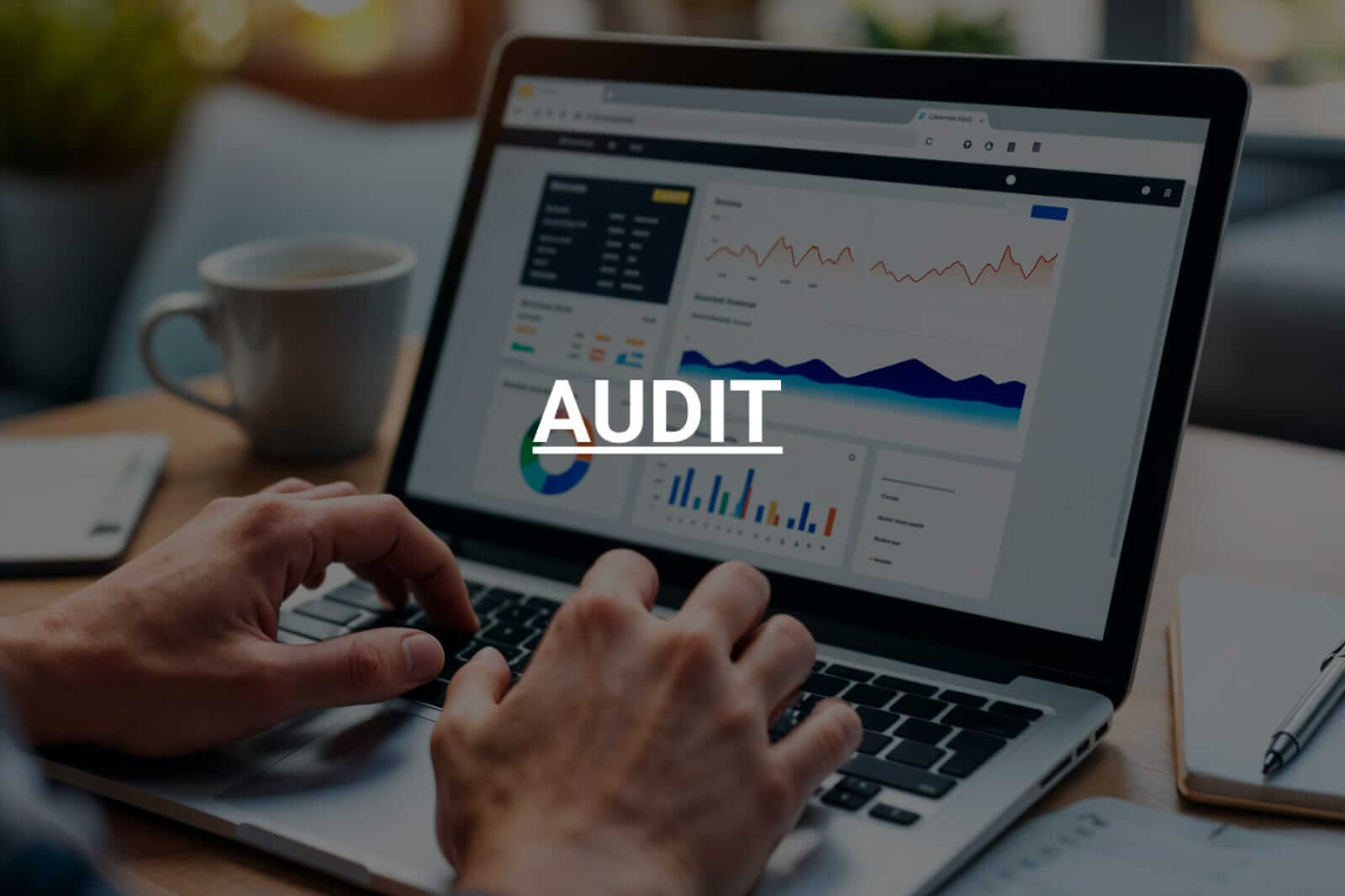
Phase 1: Foundation & Audits
- Verify primary and secondary categories, NAP consistency, service areas, attributes, hours, and messaging settings.
- Build a baseline of major and niche local directories (Yell, FreeIndex, Scoot, Chamber of Commerce, borough directories).
- Identify inconsistencies or duplicates in NAP data.
- Review contact and booking UX: clickable phone numbers, forms, CTA buttons, and driving directions.
- Evaluate call tracking and booking conversion tracking setup.
Phase 2: Tactical Implementation
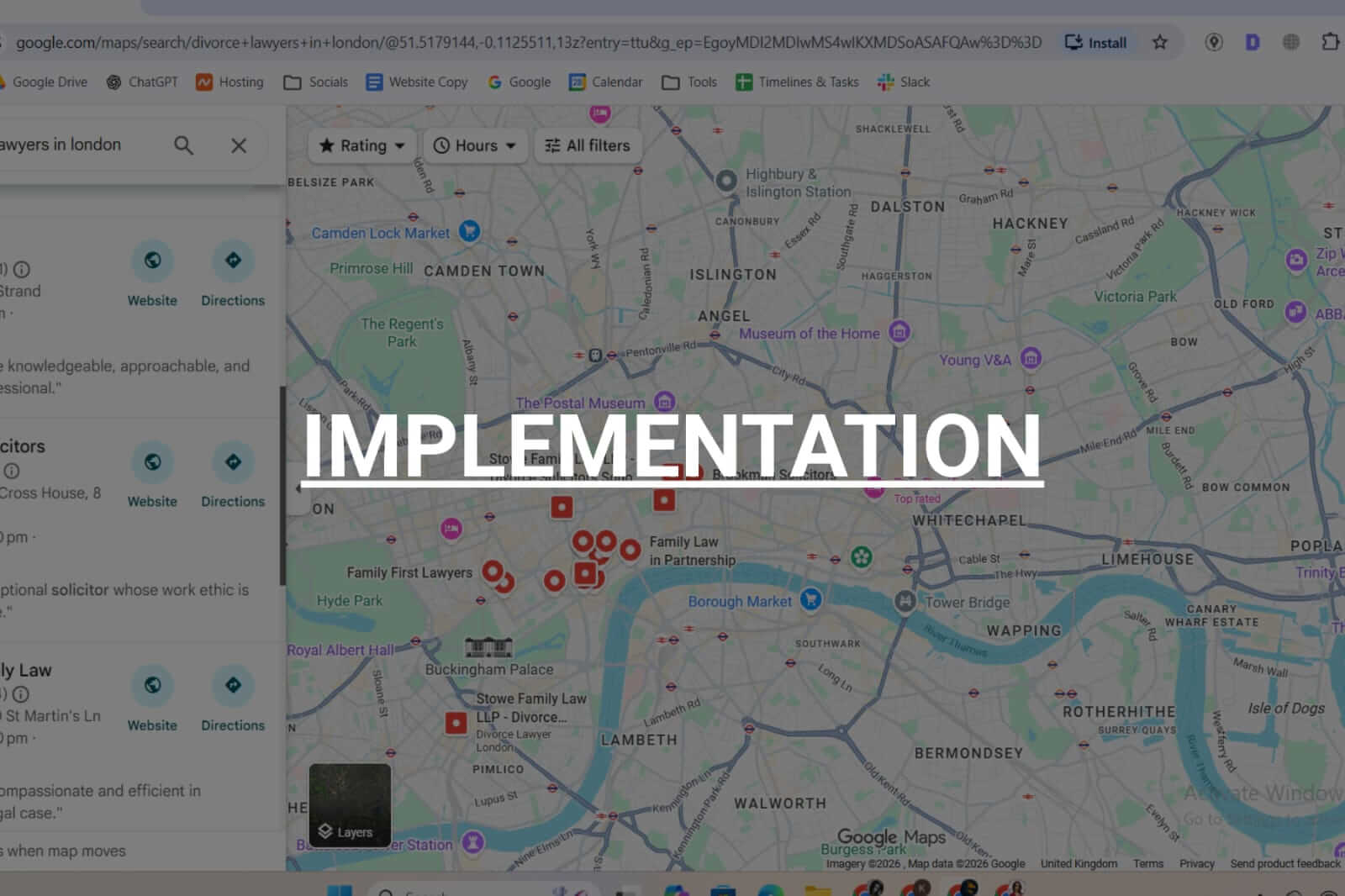
- Add keyword-relevant services, optimized business description, and photo strategy (geotagged, authentic, current).
- GBP overhaul: keyword-rich services, business descriptions, business hours, product/service attributes, photo strategy, booking link setup.
- On-page work: optimize GBP landing page (usually the homepage) with geo-targeted content, internal linking, and schema (LocalBusiness, Service). Or build geo-targeted service pages.
- Local content plan: 6–12 hyperlocal content briefs (e.g., “Landlord deposit disputes in Lewisham” not “conveyancing UK”).
- Review system: 1) review request script for staff, 2) follow-up automations, 3) review funnel page with schema.
Phase 3: Authority & Signals
- Clean up inconsistent or duplicate citations across directories.
- Submit and verify listings on trusted, high-authority local sites.
- Post weekly updates and offers to the GBP.
- Add photos, event updates, and Q&A content regularly.
- Optimize for “near me” queries through location-based keyword variants.


Phase 4: Test, Scale, Protect
- Track direction requests, calls, and messages via GBP Insights.
- Watch for ranking volatility and spam attacks on competitor listings.
- Maintain a rapid recovery protocol for lost rankings (citation updates, link cleanup, post frequency increase).
- Review and pivot keyword strategy quarterly based on local search trends, competitor shifts, and GBP performance data.

It's just not that hard to do something you've promised.

You're backed up by two SEO guarantees. It's a low-risk, high-reward parternship.

We first understand your business, and then find converting keywords to target.
You won't find any meaningless graphs in our reports. Only valuable insights.
Want to discuss your SEO report? Got a question? We respond within 30 minutes.

We don't chain you to 6- or 12-month contracts.
Ready to Dominate Your Local Market?
If you’re ready to stop wondering why your competitors are ranking higher, and start seeing your business in the top 3 where it belongs, let’s get started right now.
Get a free Local SEO audit today.
We’ll show you exactly where you stand, what’s holding you back, and how to fix it, before you invest a single pound.
YOUR LOCAL SEO QUESTIONS, ANSWERED
Book Your FREE SEO Strategy Call
On this 30-minute Google Meet call, we’ll:
- Audit your current website visibility and discuss some quick wins you can implement.
- See where competitors are outranking you (and how to close the gap)
- Give you a clear 90-day roadmap.
- Tell you what NOT to waste time/money on.
- Answer all your questions.
SEO isn’t for everyone. Some businesses get a huge ROI, others don’t. That’s why this free call isn’t a sales pitch, it’s simply an evaluation to see if SEO is actually the best growth channel for you.
We only open 10 free calls per month to keep them personal and valuable. Spots usually fill up within days, so lock in your strategy session today.
